Ethnographic & User Data

Generational Wealth in the Animal Kingdom

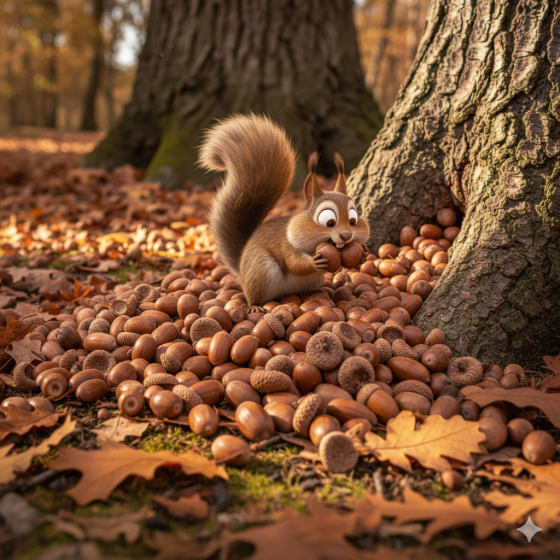
AI-squirrel with acorns

What other species of animals accumulate wealth over several generations? The other day, my husband and I were watching birds and squirrels dig around in our garden. “They are just trying to make a living,” my husband said. And it got me thinking — squirrels and birds have to find food and shelter everyday to survive. If they don’t find food, they go hungry. If they don’t find shelter, they suffer the elements and predators. Humans used to live the same day-to-day existence in our distant past. But now, we work hard to pass on the fruits of our labor to the next generation. But are there other animals that do the same? The largest known colony of ants is Linepithema humile, the Argentine ant. It has a contiguous colony from Northern Italy to South of France to the coast of the Atlantic in Spain — about 3,700 miles. It’s been around in Europe for about eighty years and is believed to have started in South America some 100 years ago. If there’s power in numbers and years, these 2 millimeter ants have it is spades. [https://www.guinnessworldrecords.com/world-records/largest-colony-of-ants] The largest colony of termites, another social insect, is over four thousand years…
Imaginary Children

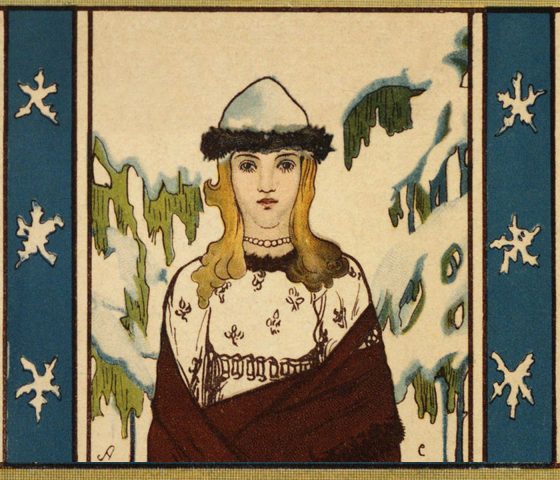
1916 Snegurochka from Wikipedia

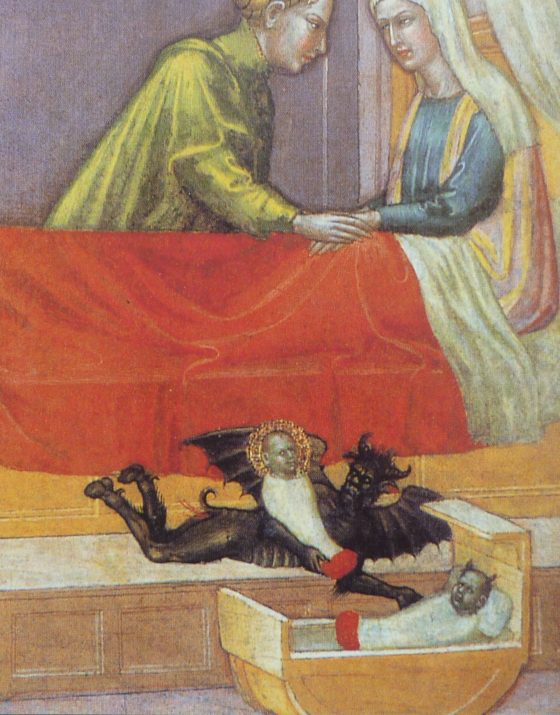
Tamagotchis, AI companions, cars, and even rumbas have people that are heavily emotionally invested in these inanimate and abstract things, giving them pet names and interacting with them as if they were invested with souls. Perhaps humans jump to anthropomorphism inanimate objects faster than other species. But we are not alone in attributing life in this way. I wonder if intelligent life that evolved on other worlds possesses this trait as well? Is it a sign of higher consciousness or is it just an Earth thing?

Expanding and Shrinking Horizons

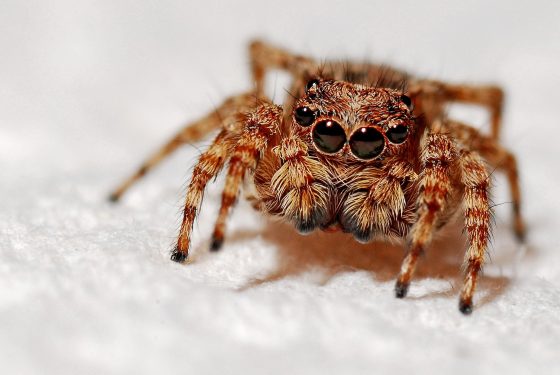
Itsy Bitsy Spider

It’s a Father’s Day weekend, and we have a lot to celebrate. My son’s graduation ceremony is on Father’s Day! He earned his doctorate in physics! He is also a great dad to a little girl and his birthday is a day before. It’s a full weekend of joy! Fatherhood can be complicated and all complicated things make great stories. I’ve considered which of my books has the most interesting father story and decided that Mirror Shards must be the one. So I’ve setup a giveaway of that ebook on Amazon for the next 5 days. Happy Father’s Day! When we are young, our conscious thoughts rarely extend beyond the immediate reality of our lives — playing with toys, visiting playgrounds, eating snacks, and receiving love and attention from our parents. Children seldom think beyond the next day or two. The ability to envision a longer future signifies maturation. As we grow older, our mental horizons broaden, we become more aware of the world, develop an interest in others, and learn to plan for the future. Yet, as we age, these horizons often narrow again. Some interpret this as a kind of selfishness of old age, but it truly reflects…

We Own Nothing

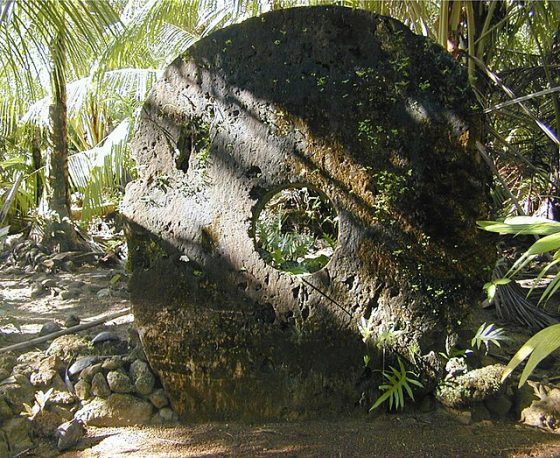
Yap Stone Money

We are living through an interesting transition as we change our relationship with physical possessions. Physical ownership is giving way to a preference for virtual goods and services. For millennia, societies operated on a “favor bank” system, where performing favors for friends and members of the community built goodwill. This mutual support was crucial during hard times. Money and trade goods came later. Personal wealth evolved from physically holding valuables to entrusting them to banks. Today, banks themselves are a web of promissory notes, not physical reserves. Caption: Not all money was easily carried about. Rai stones for instance, remained stationary. Their ownership was determined through community consensus in the societies where they were valued. We store our financial assets in the cloud. Money, stocks, property titles, and insurance policies exist mostly in digital realms. Who actually holds physical stock certificates now? While we physically possess homes and cars (and even that might change), our ownership rights are digitally recorded. Our educational achievements and professional credentials are traded electronically. Our libraries of books, music, or games have transitioned from physical shelves to digital storage. Memories, once preserved in photo albums, calendars, and diaries, are now captured in digital formats and…

Expanding Definitions

Signal

I have taught children, teens, and adults for many years. And I am noticing a trend — as a people, in the name of a more just society, we try to make our definitions ever more expansive. Sounds like great thing, right? But consider this. Decades ago, children diagnosed as autistic were few and their symptoms had to be severe to get this diagnosis. Now we have an autistic spectrum. More and more children and adults get placed on this spectrum. We seem to want to catch as many autistic individuals as we can by expanding the definition of what it means to be on the spectrum. We are being ever more expansive in the name of justice. But shouldn’t we be expanding the spectrum the other way instead? Perhaps it is better to be more inclusive in our definition of what it means to be on the “normal” spectrum. We are all different. We all have a grab bag or positives and negatives. And that’s a good thing. It takes all of our differences to create a great society. So we can treat ADHD kids as different from “normals” or we can think of them as us. Dividing children…