

Monthly Archives: July 2012

Designing an Optimum Nudge

Tornado Exhibit at the Exploratorium

I’m sitting by a window looking out at a rainy Paris street, thinking of cultural differences between Paris and San Francisco, taking advantage of bad weather to do some writing. Over two decades ago, I did some ethnographic research a Exploratorium, looking at how different visitors interacted with the museum’s hands-on exhibits. I was looking for ways to improve the visitors’ experience, raise understanding of the phenomena they were observing. What I saw was different ways in which visitors experienced failure: p-prims that got in a way; folksy wisdom that caused confusion; lack of affordances that led to bottlenecks; permission giving that set up strange expectations; etc. The results of this study turned into a Master Thesis for UC Berkeley. Now, I would like to explore some of the ideas that surfaced during my Exploratorium research and apply them to design of nudging — carefully crafted affordances and perceptual cues that manipulated users into acting a certain way while maintaining the illusion of freedom of action. Let me start with a bit of history — a quick summary of some of the results of Exploratorium study. Permission Giving Two decades ago, “hands-on” exhibits were still novel in the museum world.…
Interface Design Failure: Man accidentally kills 40,000-sq-ft lawn due to packaging design

What can bad interface design do? Bad graphic? Bad packaging? There are people who think these don’t matter (I had a few clients like that), but here’s an example of how badly things turn out when interface design isn’t taken seriously. And here’s another example from one of my previous posts: eye medicine or super glue? You’d be the judge!

Cultural Barriers to Success

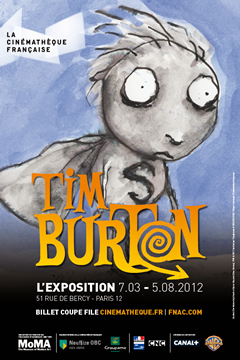
Tim Buton Exhibition at La Cinémathèque in Paris

Man-made Disasters in a Wake of Tsunami This month, The Fukushima Nuclear Accident Independent Investigation Commission issued its final report on the disaster: It was man-made! Here’s a quote from the report: What must be admitted — very painfully — is that this was a disaster “Made in Japan.” Its fundamental causes are to be found in the ingrained conventions of Japanese culture: our reflexive obedience; our reluctance to question authority; our devotion to ‘sticking with the program”; our groupism; and our insularity. Had other Japanese been in the shoes of those who bear responsibility for this accident, the result may well have been the same. The last sentence is particular insightful — the blame was not rested on the shoulders of a particular individual, as tempting as that might be, or even on the shoulders of some manager. The fault was places on the cultural context in which the incident played out. Museums in Paris We just got back from seeing a Tim Burton exhibit at the La Cinémathèque, in Paris. The content of the exhibit, as one could imagine, is quite wonderful. But there were many, many human failures in making the visit an enjoyable experience. And yes,…